
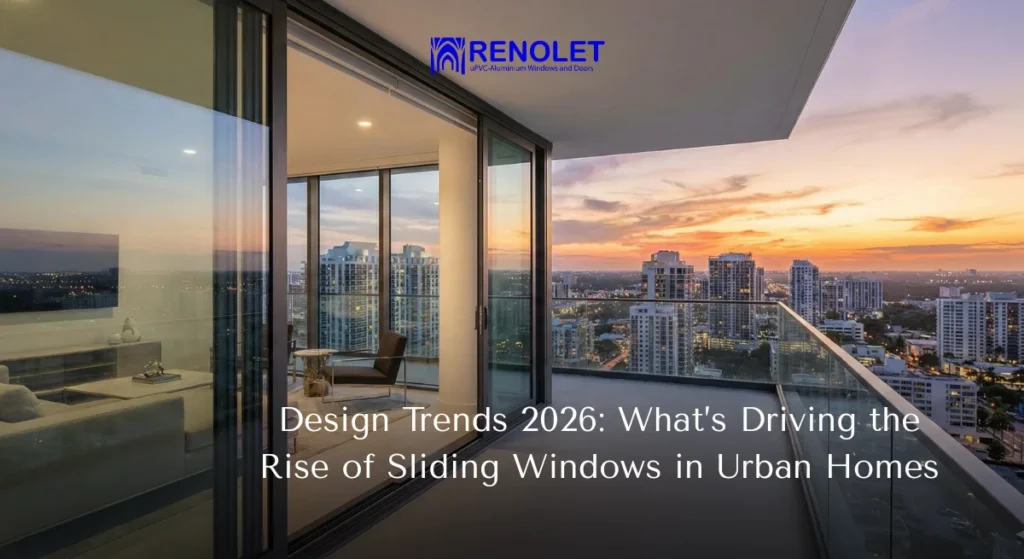
The city is up earlier than the sunrise. It is the 16th floor of a high-rise apartment with wide glass panels letting soft daylight through. The window slides across with a soft breeze, and there are no swinging shutters, no blocked furniture, it is a smooth horizontal movement. Such silent productivity is the nature of city life in 2026.
With the increased density of metropolitan areas and the reduction of the size of apartments, the architectural priorities change. For homeowners preparing for intense heat cycles, especially in cities like Bangalore, selecting the right material becomes critical. Modern systems such as uPVC windows designed for summer performance are increasingly preferred for their insulation and resistance to harsh climate conditions.
Table of Contents
Sliding Windows Design Trends 2026: Are They the Future of Urban Living?
A modern house in an urban setting is being made to be functional in nature. Open areas, module interiors and small balconies require windows that do not extend into the usable spaces. Sliding windows that move horizontally do not have any clearance requirements and conserve valuable floor space.
Architects are specifying more and more glazing areas using reinforced multi-chamber uPVC profiles. According to industry benchmarks set by the uPVC Window and Door Manufacturers Association (UWDMA), these frames are strong and slim with low lines of sight. The outcome is a better daylighting and continuous exterior sight-lines- features much sought after in high-rise urban apartments.
Considering these benefits, the sliding windows design trends 2026 indicate that the sliding systems are gaining popularity as the choice to use in current residential projects.
What’s Driving Their Popularity in Cities?
There are a number of quantifiable drivers of adoption:
- Space Value: Horizontal movement does not interfere with interior planning.
- Ventilation Control: Panels may be partially opened to controlled airflow.
- Panoramic Views: Glass areas are larger, and this adds to the visual attachment with cityscapes.
- Low maintenance: uPVC profiles are resistant to moisture, termites and corrosion.
City residents who own homes are also looking past the looks of the windows to their operational effectiveness over time. Sliding systems can provide the balance between utility and aesthetics, which reinforces their position in the design trends of sliding windows 2026.
Do They Improve Energy Efficiency in Apartments?
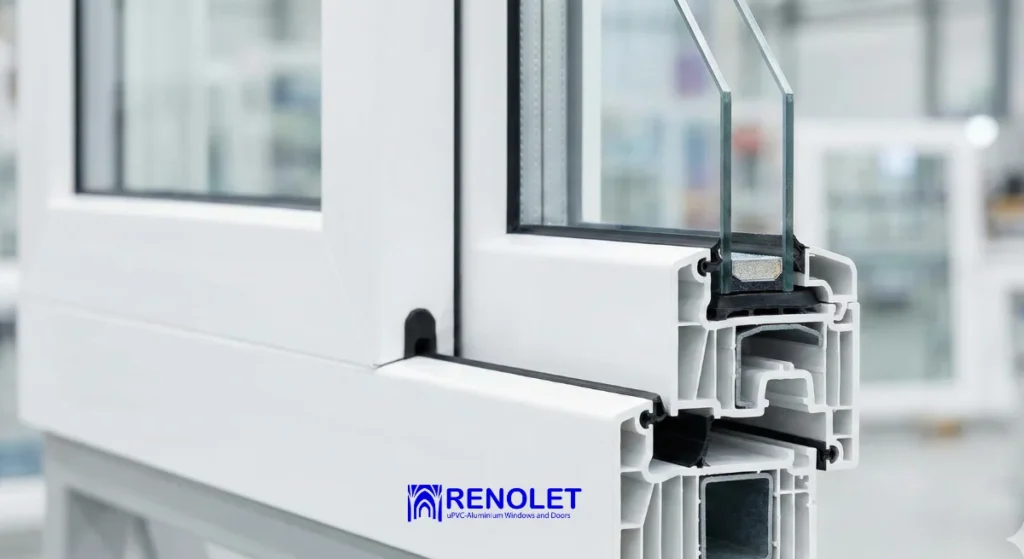
Energy performance is central to 2026 construction standards.The design of modern sliding windows is designed to meet accepted technical standards, such as:
- IS 4020 – Performance requirements of uPVC door and window frames.
- IS 875 (Part 3) – Wind load design standards.
- ASTM E283-Air infiltration test.
- ASTM E330 – Structural pressure under wind.
- ASTM E547– Water penetration resistance.
- IS 2553 (Part 1) 2 Safety glazing specifications.
Multi-chamber profiles are reinforced and double-glazed units (DGU) with Low-E are used to minimize solar heat gain. Correct sealing systems restrict air leakage, enhancing interior comfort and lessening dependence on air conditioning. This is why many evaluate seasonal efficiency considerations such as uPVC windows built for summer climates before upgrading.
Sliding Windows Design Trends 2026: Are They Better Than Traditional Window Systems?
Traditional casement windows need in-swinging or out-swinging space, which is restrictive in small apartments. Sliding systems, on the contrary, offer:
- Better wind resistance in high rise buildings.
- Horizontal operation that is smooth and has lesser mechanical stress.
- Multi-point locking systems to ensure more security.
- Less gritty architectural lines of modern interior.
Stainless steel is commonly used to manufacture tracks and rollers and test them on ASTM B117 salt spray testing. This makes it durable in the humid or coastal urban areas. Additionally, lifespan considerations influence buying decisions. Many property owners research the lifespan of uPVC windows in Bangalore’s climate before committing to replacements.
Sliding systems are gaining prominence in high-density housing projects performance comparisons and this continues to support its dominance in the trends in design of sliding windows 2026.
How Are They Transforming Modern Architecture?
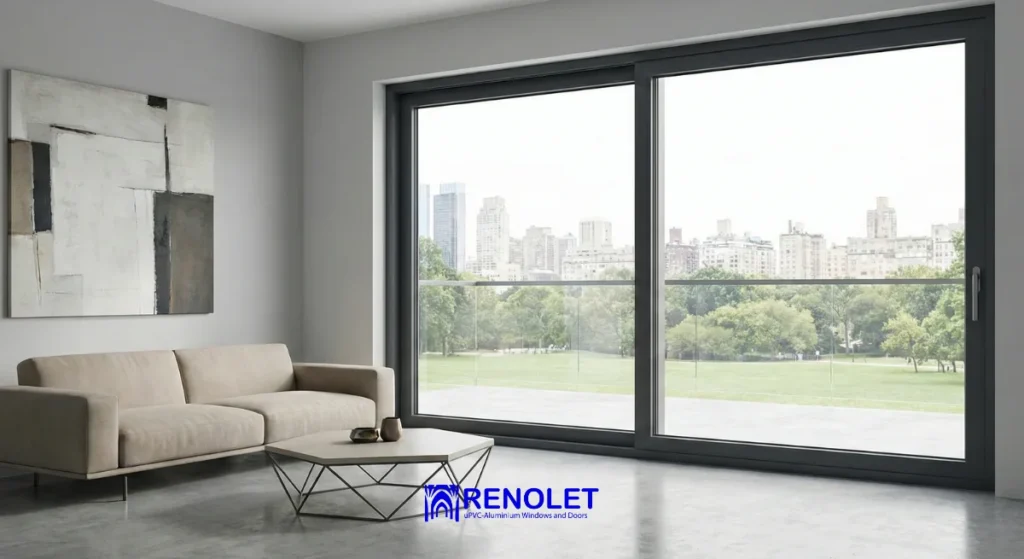
Contemporary architecture focuses on symmetry, maximization of daylight, and the integration of the indoors and outdoors. The sliding windows facilitate these objects by the large area of glass and the lack of frame exposure.
In 2026, matte finishes, including anthracite grey and black, are a design trend, paired with industrial and minimalist interiors. Sliding doors extending to the ceiling are especially common with high-end apartments and penthouses as they increase the amount of daylight factor (DF) and decrease the artificial lighting requirements during the day.
Impact resistance and resistance to occupants, particularly in high-rise residential buildings have been ensured by adding laminated and toughened glass that meets IS safety standards.
Can They Meet IS and ASTM Performance Standards?
Yes, and in urban developments certification is becoming obligatory. To test the durability, laboratory testing models the wind pressure, rainfall exposure, and air permeability.
Certified sliding window systems are subjected to structural load test to allow them to be used in accordance with IS 875 wind load requirements. Performance in extreme weather conditions is ensured by water tightness and air infiltration tests. These rigorous standards are reflected in the unique features of Renolet uPVC windows and doors, which are engineered to exceed these benchmarks.
To both developers and homeowners, the certifications will ensure long-term safety, operational smoothness and lower maintenance risks which are major reasons behind the design trends of sliding windows 2026.
Case Study: Upgrading a Bangalore High-Rise Apartment
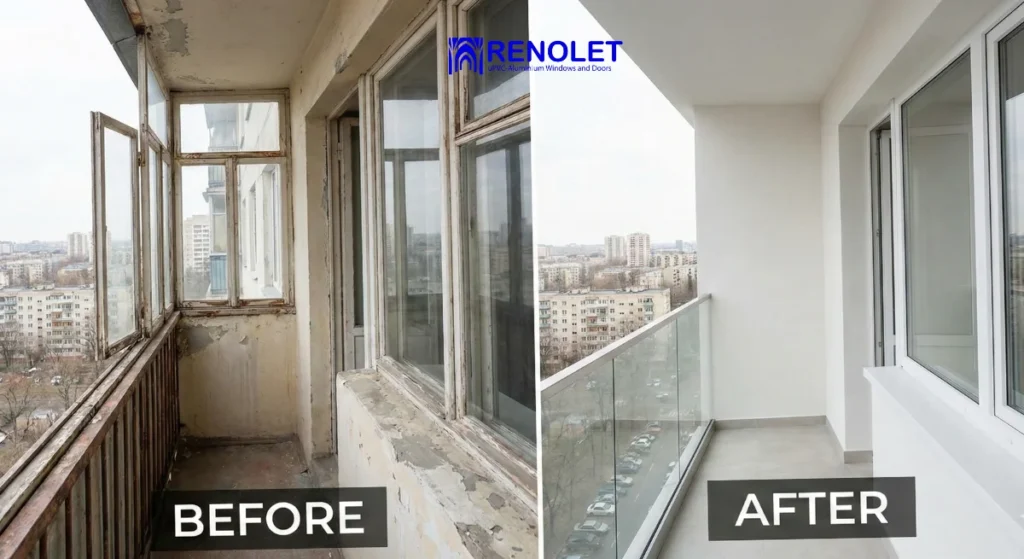
An apartment in the technology hub of Bangalore with 2BHK had trouble with heat and traffic sounds in the afternoon. The current outward facing windows limited the space of furniture and inconsistent seals.
In 2026, the homeowner changed them to reinforced uPVC sliding windows that have double glazing and certifiable structural compliance.
Within months, noticeable improvements were recorded:
- Less heat gained through the indoors in summer time.
- Better sound insulation against outside traffic.
- Improved ventilation without reduction in the space.
- Reduction in air-conditioning.
The upgrade showed quantifiable benefits of comfort, which confirms the performance-based change in the direction of sliding windows designs in the 2026 trend. Cost transparency is another critical consideration during upgrades. Homeowners commonly evaluate the cost of uPVC windows in Bangalore to align performance expectations with budget planning.
The Unique Engineering Evolution Behind the Trend
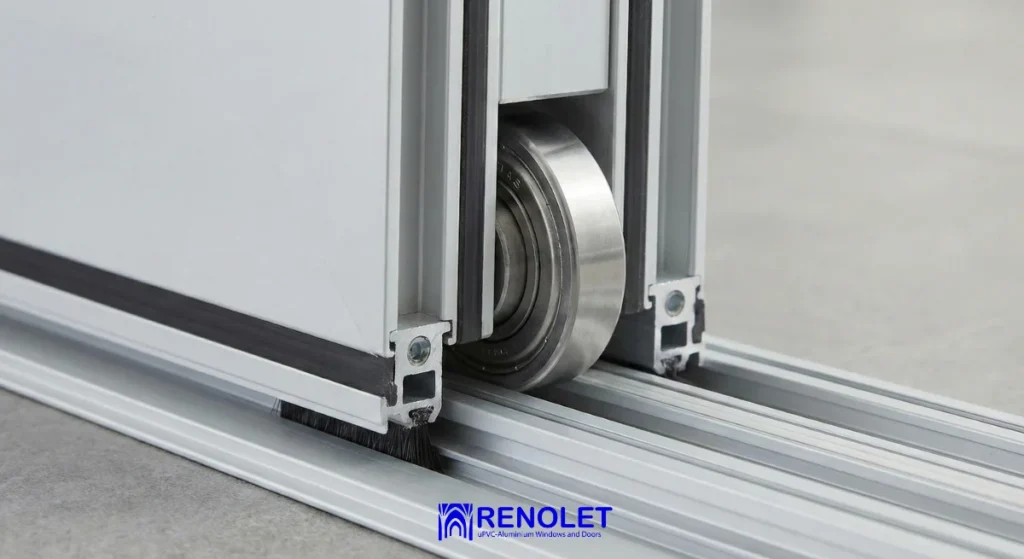
In addition to the design improvements that may be seen, the actual jump is in terms of sophisticated hardware integration. The latest technology in premium sliding systems has the ability to adorn more massive glass panel sizes with strong tracks and rollers that have been engineered to be precise. Most high-performance systems, such as Renolet, are based on European best-practices in order to increase the load-bearing capacity and guarantee easy, long-term glide performance.
When sliding windows are used in 2026, it is not merely an opening but a compliance in architecture, minimalism of aesthetics and mechanical precision. With urban development becoming more vertical, the use of certified and energy saving sliding systems to define urban residential structures is becoming an efficient and sustainable trend.
Conclusion
With cities growing increasingly upwards, sliding systems will only fit the new realities of living in the city. Having proven performance standards, energy efficiency, and optimized space use, the trends in the design of sliding windows 2026 are defining the future of residential buildings, quietly, efficiently, and sustainably.

Pingback: Aluminium Window Price in Bangalore – Area-Wise Cost Breakdown 2026