It usually starts small. The bathroom door swells. The window doesn’t shut properly. Dust slips in even when everything looks closed. You paid a premium because the brand was “imported,” so this wasn’t supposed to happen. But in the Indian climate, it does.
Many homeowners across India are facing the same issue with imported uPVC brands in India. These windows and doors don’t always work the way they promise here. This isn’t about the bad material. It’s about pricing, Indian climate conditions, installation quality, and after-sales support.
In this blog, we will break down why imported uPVC brands struggle and what homeowners should actually check before choosing one.
Table of Contents
Understanding uPVC for the Indian Home
uPVC (unplasticized polyvinyl chloride) is a rigid, chemically resistant material used for doors and windows. While the material itself is world-class, the real difference between imported uPVC brands in India and local players lies in the “profile formula”, how the material is mixed to handle 45°C heat and heavy dust. Understanding the correct uPVC installation process is just as important as selecting the brand itself.
According to recent reports, the Indian uPVC market is expected to reach $27.17 billion by 2030, with domestic brands controlling 67% of the residential sector because of their superior climate adaptation and local service networks.
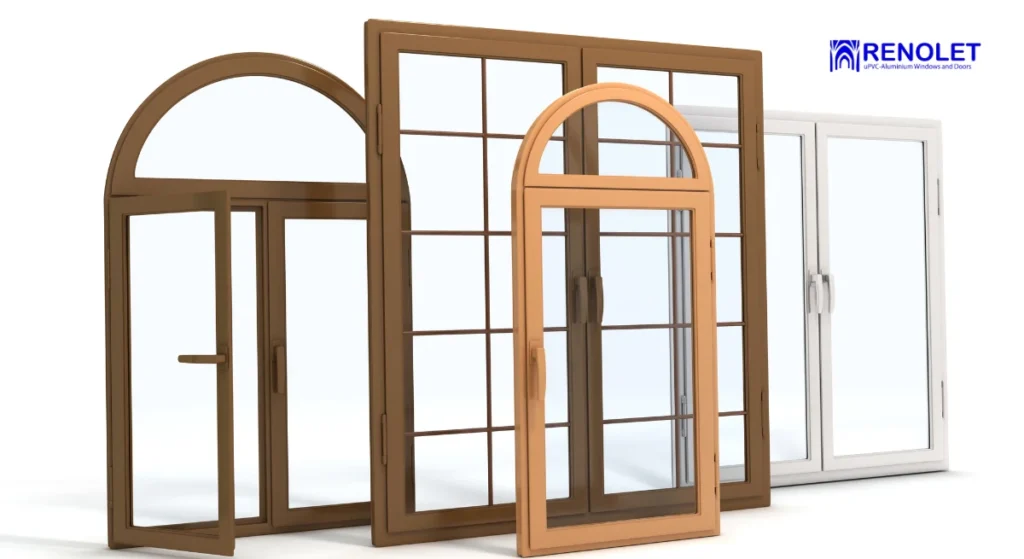
What Happened to the Imported uPVC Brands in India?
When foreign uPVC brands entered India, they brought European designs, advanced profiles, and strong marketing. Initially, this worked well in metro cities. But over time, the cracks started showing up.
Indian homeowners believe in value. They compare prices closely. Imported brands cost more because of shipping, duties, taxes, and other costs. When a local brand offers something that looks similar at a lower price, many buyers change their minds. This is why many buyers now actively research uPVC window brands in Bangalore rather than defaulting to imported labels.
This is why it is difficult for imported brands to scale in India, even if their quality is good.
4 Reasons Imported uPVC Brands in India Are Failing
Price Sensitivity is a Major Issue
One of the most difficult difficulties for imported uPVC brands is cost. Imported windows typically cost ₹800 to ₹1,500 per sq. ft., whereas high-quality Indian brands offer similar specifications for ₹500 to ₹900 per sq. ft.
When you pay 40% more for an imported brand, you aren’t paying for “better” plastic; you are paying for shipping, logistics, and 2026 import taxes. For buyers comparing real-world budgets, understanding uPVC windows cost in Bangalore becomes a deciding factor.
Fact: uPVC polymers (HSN 3904) attract an 18% GST rate, creating a significant price handicap for imported products compared to locally optimized supply chains.
Rise of Strong uPVC Indian Brands
Local players have adapted themselves to the market quickly. Many uPVC Indian brands now use German machinery, global design standards, and improved raw materials.
On the other hand, manufacturing in India keeps costs down and allows better customization for heat, dust, and monsoon conditions. These brands also build stronger dealer and service networks, making them easier to trust and access. Many homeowners now prefer brands that clearly explain their unique product advantages, rather than relying on “imported” labels.
Imported Designs vs Indian Climate
Most imported brands are designed for cold European winters. In India, we face high UV radiation, which can cause low-quality imported profiles to turn yellow or become brittle.
- Indian Advantage: Local brands (like Renolet or Fenesta) use higher concentrations of Titanium Dioxide (TiO2), which acts as a “sunscreen” for your windows, preventing discoloration in the harsh Indian sun. This difference becomes evident when homeowners start facing common window problems in Bangalore, such as dust leakage, thermal warping, and alignment failure.
The Installation & Service Gap
A window is only as good as the person fitting it. Imported brands often rely on third-party “fabricators” who may not follow international standards. Imported brands often struggle with:
- Slow spare parts
- Limited service reach
- Delayed response times
If a handle breaks on an imported window, waiting for a spare part from Europe can take weeks. Local brands win by being closer to the customer and keeping spares in stock for quicker response times.
Expert Tip: Before buying, ask your vendor: “Is your profile IS 17953:2023 certified for high-impact resistance and heat reversion?” If it only carries European (EN) certification, it may not have been tested for the 30% higher noise levels and extreme dust found in Indian urban centers.
The “Thermal Leak” Test: Why Your AC Bill Is High
Most homeowners don’t realize this, but up to 30-35% of cooling loss in a home happens through poor window frames and basic glass. Your AC works harder, runs longer, and your electricity bill keeps climbing. This is where many imported systems fail the Indian economy test.
In simple terms, heat transfer is measured using the U-Value. The lower the number, the better the insulation.
Here’s the key difference:
- Imported profiles: Built to retain heat for colder climates.
- Indian-optimized profiles: Designed to block solar heat and keep homes cooler.
This is important because electricity bills in India rise upto 7–10% every year. A typical 3BHK can save between ₹15,000 and ₹25,000 a year by choosing a tropical-grade uPVC system with a U-Value of less than 1.8 W/m²K. Less heat means less use of air conditioning, which saves money over time. Brands that engineer for Indian conditions help homeowners actively reduce electricity bills, especially in hot cities.

5 Things Homeowners Must Check Before Buying Imported uPVC Brands in India
There’s no single answer to which uPVC brand is best in India. The best choice depends on how a brand goes with your home, your budget, and the weather in your area. Don’t get too excited about “German” or “Italian” labels; instead, pay attention to how well the product works and how well it is made.
Before you decide, homeowners should check these things:
- Profile wall thickness: Look for at least 2.2mm to 2.5mm for better structural strength.
- Steel reinforcement: Every frame should include galvanized steel, ideally 1.5mm thick, to prevent bending and warping.
- Glass gaskets: In dusty Indian cities, EPDM rubber gaskets help block noise, pollution, and air leaks.
- Hardware quality: Rollers and friction stays should be tested for 15,000-20,000 operating cycles.
- Installation team: Ask if installers are company-trained or outsourced. Poor installation can ruin even a good system.
Today, many uPVC Indian brands meet international standards while providing better value and more dependable after-sales service.
What Homeowners Should Learn from Imported uPVC Brands in India
The struggles of imported uPVC brands show one clear thing: a foreign label alone does not guarantee performance. Indian homes need products that match local weather, usage, and service expectations.
Platforms like Renolet help homeowners explore practical, India-ready solutions without the confusion of any brand hype. At last, informed decisions always beat fancy promises.